Understanding the Allure of Gambling
The allure of gambling reaches beyond mere chance; it taps into profound psychological triggers that captivate individuals from diverse backgrounds. One of the primary reasons people are drawn to gaming establishments is the thrill of uncertainty, often termed the «gambling rush.» This exhilarating feeling emerges when players place their bets, resulting in an adrenaline surge that heightens their excitement levels. Many find themselves exploring options like $20 neosurf casino australia real money to enhance their gaming experience. This emotional high becomes a compelling cycle, where the anticipation of winning transforms into an intoxicating experience, akin to a rollercoaster ride of hope and excitement.
Furthermore, addiction plays a significant role in the appeal of gambling. The brain’s reward system activates during gaming activities, releasing dopamine—a neurotransmitter associated with pleasure and reinforcement. Whether players win or lose, the brain’s response mirrors reactions to drugs or other addictive behaviors. This powerful association between gambling, excitement, and emotional fulfillment can sometimes lead to unhealthy gambling habits or compulsive behaviors, as the brain continues to seek that rewarding emotional high.
Additionally, the casino environment is meticulously designed to enhance the gambling experience. Bright lights, captivating sounds, and strategically organized spaces create a stimulating atmosphere that encourages prolonged engagement. Upon entering a casino, individuals are enveloped in a unique ambiance that elevates their emotional state, making them more inclined to gamble. This sensory experience maximizes the psychological appeal of gaming, often causing players to lose track of time and spend more than they initially intended, reinforcing the cycle of attraction to gambling.
The Role of Cognitive Biases in Gambling
Cognitive biases play a crucial role in shaping gambling behavior, often leading individuals to make irrational decisions based on misconceptions surrounding luck and probability. One prevalent bias is the illusion of control, where players believe they can influence the outcome of random games, such as slot machines or roulette. This misconception can encourage them to gamble more frequently, as they mistakenly think their choices significantly impact their success. Consequently, this belief can lead to increased gambling activity and financial risk, creating a false sense of security that can prove detrimental.
Another cognitive bias that significantly affects decision-making in gambling is the gambler’s fallacy. This phenomenon occurs when players believe that past events influence future outcomes in games of chance. For instance, if a particular number hasn’t appeared in roulette for several spins, a player might wrongly assume it’s «due» to come up. Such erroneous reasoning can lead to overconfidence and potentially disastrous financial choices, skewing the perception of gambling as a viable money-making strategy rather than a game of chance.

Recognizing these cognitive biases is essential for both players and professionals in the gambling industry. By understanding these psychological pitfalls, individuals can make more informed decisions about their gaming habits. Additionally, this awareness can lead to responsible gaming practices, encouraging casinos to implement measures that promote education and awareness about the psychological factors influencing gambling experiences. Such initiatives can empower players to recognize when their gambling is becoming unhealthy and to seek help if needed.
The Impact of Social Factors on Gambling Behavior
Social dynamics significantly influence gambling behavior, enhancing the overall casino experience. Many individuals are drawn to gambling as a social activity, often viewing it as a means to bond with friends or meet new people. Social interactions within casinos can lead to shared thrills and excitement, creating a communal atmosphere that encourages individuals to engage in gambling activities together. This social aspect can enhance the enjoyment of gambling, making it less about monetary gain and more about shared experiences and camaraderie among players.
Moreover, the portrayal of gambling in popular culture has a profound impact on individuals’ perceptions and attitudes toward gaming. Movies, television shows, and other media often glamorize the casino lifestyle, depicting it as an exciting and sometimes glamorous path to wealth. This romanticized view can stoke interest in gambling, particularly among younger audiences influenced by entertainment. As a result, the normalization of gambling in society can lead to increased participation in casino activities, prompting the need for responsible gaming initiatives to mitigate potential negative consequences.
Peer pressure also plays a pivotal role in shaping gambling habits, especially among young adults. When individuals are surrounded by friends or family who actively participate in gambling, they may feel compelled to join in to fit in or share in the excitement. This form of social reinforcement can perpetuate a cycle of gambling that affects individual choices and may lead to larger group trends in gambling behavior. As social acceptance of gambling increases, it becomes imperative to promote responsible gaming practices to combat the potential rise of gambling-related issues.
The Psychological Strategies of Casino Marketing
The marketing strategies employed by casinos wield a profound psychological impact on potential players, deliberately designed to maximize engagement and spending. Casinos often utilize loyalty programs, free perks, and enticing promotions to attract and retain customers. These strategies leverage the principle of reciprocity, where players feel compelled to reciprocate after receiving something for free, such as complimentary meals, drinks, or hotel stays. This sense of obligation can keep players engaged even when they initially did not intend to gamble, creating a cycle of continued participation.
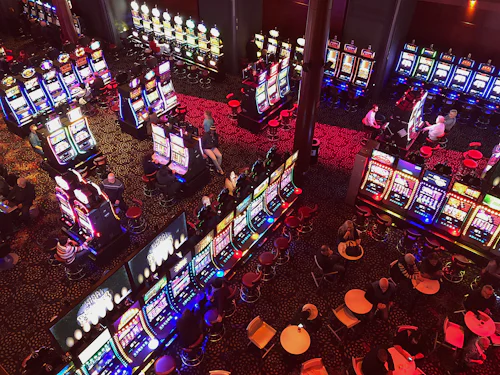
Additionally, casinos employ persuasive design elements to cultivate an environment that feels both safe and inviting. For instance, the layout of a casino is skillfully planned to encourage exploration; pathways guide customers toward high-traffic gaming areas, enhancing visibility and accessibility. By offering complimentary drinks, casinos can create a relaxed atmosphere that lowers inhibitions and encourages more gambling. This strategic manipulation of the environment capitalizes on players’ psychological states, further promoting extended play and expenditure.
Casinos also adeptly utilize the concept of scarcity to stimulate demand. Limited-time offers or exclusive events generate a fear of missing out (FOMO) among potential gamblers, prompting them to act quickly to seize the opportunity. This psychological tactic can drive impulsive decisions and lead to increased participation in gambling activities. By comprehending these marketing strategies, players can better navigate their experiences and maintain control over their gambling behavior, enabling them to enjoy the gaming experience responsibly.
Responsible Gambling and Psychological Awareness
As the understanding of the psychology behind gambling deepens, the importance of responsible gambling practices becomes increasingly evident. Awareness of cognitive biases and emotional triggers empowers players to make healthier choices and recognize when their gambling activities may be crossing into problematic behavior. Many casinos are now adopting responsible gaming programs that educate players about risk factors and provide resources for those who may need support in their gambling journey.
The integration of psychological insights into gambling frameworks is gaining momentum; casinos are developing innovative tools to help players set limits and manage their gambling budgets effectively. For example, self-exclusion programs allow individuals to take breaks from gaming activities, enabling them to curb compulsive behavior. By fostering an environment that prioritizes responsible gambling, casinos can help ensure that players enjoy gaming as a form of entertainment rather than a source of stress or financial hardship.
Ultimately, promoting psychological awareness surrounding gambling behavior is a shared responsibility among players, casinos, and regulatory bodies. Creating a culture that encourages transparency about potential risks while providing support networks can significantly reduce the prevalence of gambling-related problems. With the appropriate approaches and strategies, both players and the gaming industry can collaborate to foster a healthier relationship with gambling activities, ensuring that the fun remains intact without compromising well-being.